Pharmaceutical-grade capsules in 25, 50 and 100mg (and a 5mg low dose), one each morning, written by a licensed provider after a short screening. From $99, billed once, no subscription.
4 strengths·30 capsules·One each morning·Prescription only
Check my eligibilityMost start at 25mg: $129 for 30 capsules, provider review and shipping included.
Tapping an option just moves you to the right part of this page. It is not a medical assessment. The real questionnaire happens after you pick a plan.
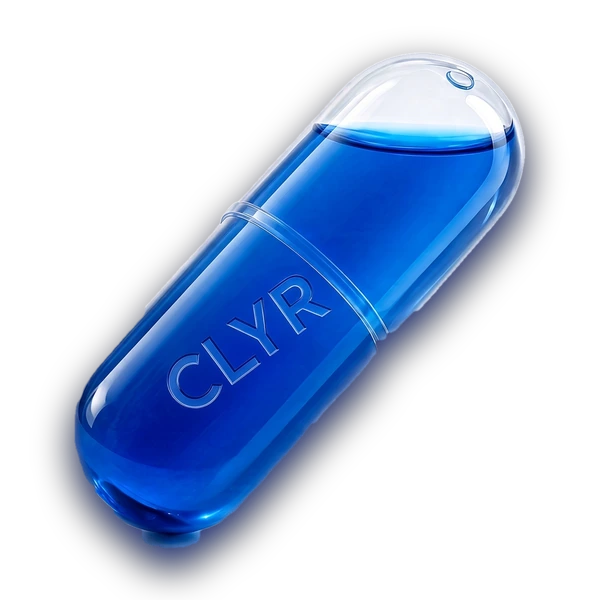
Every strength is the same pharmaceutical-grade methylene blue in a capsule, compounded to your prescription by a licensed U.S. 503A pharmacy. Thirty capsules a bottle, one each morning. Prescription strengths like these are not sold over the counter.
Capsules are taken in the morning because methylene blue can be alerting. Expect your urine to turn blue-green; that is the compound leaving the body and it is harmless. Your provider writes the script with refills, so reordering is one tap in your portal. Read the science of methylene blue and the brain.
Each bottle is 30 capsules, one a day for a month, with the provider review and shipping included and nothing that renews. Most people begin at 25mg; 50mg and 100mg are for the months that follow, with your provider's OK.
Checkout happens after the questionnaire, and a licensed provider reviews everything before anything ships. If treatment is not appropriate, you receive a full refund. Important safety information
Health history and every medication you take, including antidepressants. About five minutes, and finishing it costs nothing.
They confirm methylene blue is appropriate for you and write the prescription at the strength they choose, usually 25mg to start. If it is not appropriate, you are refunded in full.
A licensed U.S. 503A pharmacy compounds your 30 capsules to the prescription and ships them tracked in a plain box, usually within a few business days of approval.
With water, in the morning, because it can be alerting. Your provider sets the pace from there: another month at the same strength, or the step up to 50mg, then 100mg.
Thirty capsules a month, one each morning. Most providers start at 25mg. Each step up is their decision at the end of the month, never a schedule you set yourself.
A 5mg low dose is there for anyone who wants to start lower. Some people stay at one strength for longer; that is your provider’s call too. Reorders are one tap in your portal, from the refills on your prescription.
A dye in 1876. A prescription today.
Your cells make energy by passing electrons down a chain inside the mitochondria. Methylene blue can carry electrons too. It picks one up, turns colorless, hands it off, and turns blue again, over and over. That one trick explains almost everything about it.
Because carrying electrons is what mitochondria do to make energy, methylene blue is one of the most studied compounds in cellular-energy and brain research. Much of that work is early, so it is an active field, not a settled one.
The compound leaves the body still colored. Blue-green urine within hours of a capsule is expected and harmless, and it can lightly tint porcelain. The capsule itself keeps your mouth and teeth clear.
At higher doses methylene blue slows MAO, an enzyme that clears serotonin. Combined with an SSRI, SNRI, MAOI or other serotonergic drug that can cause serotonin syndrome, so those medications rule it out here, at any strength.
Many people find it alerting, so the capsule is taken with water in the morning. One capsule, once a day, is the whole routine. Your provider sets the strength and the pace.
Methylene blue is a deep blue compound first made in a German dye lab in 1876. Within fifteen years doctors were giving it to patients, which makes it the first fully synthetic drug in medicine. It is still on the World Health Organization's list of essential medicines, kept in hospitals as an antidote for a blood condition that stops red cells from carrying oxygen, and used as a surgical dye. The capsules here are the same pharmaceutical-grade compound at low oral doses, prescribed by a licensed provider.
Made in 1876 as a textile dye. Paul Ehrlich used it to stain cells under the microscope, then to treat patients in the 1890s. Hospitals have kept it on the shelf ever since.
It is a redox molecule: it picks up electrons and hands them off, turning from blue to colorless and back. Passing electrons is how your mitochondria make energy, which is why methylene blue is the subject of so much research on cellular energy and the brain. It crosses into the brain, and at higher doses it slows an enzyme called MAO, which is exactly why antidepressants are a hard stop.
Longevity and cognitive-health protocols. Most of the research is early or small, so it is an active area of study rather than a settled one. Your provider decides whether it is appropriate for you and at what strength; this page describes the compound, it does not promise a result.
The bottle sold for fish tanks is industrial dye and can carry heavy metals. CLYR's capsules are compounded from USP pharmaceutical-grade methylene blue by a licensed U.S. 503A pharmacy, to your prescription, with the strength on the label.
The outer box carries no product name and no condition anywhere on the label. Neighbors and roommates learn nothing.
Not a pharmacy name, not a product name. Just CLYR Health.
We ship everything at once, at room temperature. No monthly pharmacy runs, no waiting on a refill that should already be there.
CLYR Health is LegitScript certified, treatments are reviewed by licensed providers, and every compounded product comes from a state-licensed pharmacy. The price you see on this page is the price you pay, and when your term ends the next decision is yours.
A synthetic compound made in 1876, originally as a fabric dye, and the first fully synthetic drug ever used in medicine. Hospitals still use it today as an antidote for methemoglobinemia (a condition where red blood cells cannot release oxygen properly) and as a dye in surgery, and it sits on the World Health Organization's list of essential medicines. In the body it works as a redox molecule, carrying electrons the way your mitochondria do when they make energy. At CLYR it is a pharmaceutical-grade compound your provider can prescribe, made into 5, 25, 50 or 100mg capsules by a licensed U.S. 503A pharmacy.
No. The blue bottle at the pet store is industrial-grade dye for fish and it can carry contaminants, including heavy metals. CLYR's capsules are compounded from USP pharmaceutical-grade methylene blue, the same grade hospitals use, by a licensed pharmacy to a provider's prescription. Never take an aquarium or laboratory product.
Methylene blue has been studied for over a century, and in recent years mostly for how it interacts with mitochondria and the brain. Much of that research is early, small or still in animals, so it is an active area of study rather than a settled one. CLYR does not make claims about what it will do for you. Your provider can talk through what is and is not known at your dose.
A licensed provider in your state reviews your questionnaire, including every medication you take, and decides whether methylene blue is appropriate and at what strength. Nothing ships without that review. If they decide it is not a fit, you are refunded in full.
That is your provider's call. Most start at 25mg, one capsule each morning for 30 days. If the first month goes well and your provider agrees, the next 30 days can step to 50mg, then 100mg. The 5mg capsule is the gentle entry for people who want to start low.
Methylene blue can be alerting, so it is taken in the morning with water rather than later in the day. One capsule, once a day, is the whole routine.
Yes. Blue-green urine is expected while you take methylene blue. It is the compound leaving the body and it is harmless. Rarely, it can tint tears or the whites of the eyes faintly for a short time.
Anyone taking an SSRI, SNRI, MAOI, tricyclic antidepressant, certain opioid pain medications, St. John's Wort or another serotonergic medication, because of the risk of serotonin syndrome. Anyone with G6PD deficiency. Anyone pregnant, trying to conceive or breastfeeding. Anyone allergic to methylene blue or to dyes. Severe kidney or liver disease is reviewed by your provider. The screening asks about every one of these, and the first four are hard stops.
Each bottle is 30 capsules, billed once; nothing renews on its own. Your provider writes the script with refills, so when you are ready for the next month, at the same strength or the next step up, reordering is one tap from your portal and the pharmacy fills it from the prescription on file.
Tracked, in a plain box with no product name on the outside, shipping included. Available in most states, usually within a few business days of provider approval.
A licensed pharmacy makes the capsules to your provider's prescription, for you, rather than pulling a mass-produced product off a shelf. Compounded medications are not FDA-approved and have not been reviewed by the FDA for safety or effectiveness. CLYR's capsules are compounded from pharmaceutical-grade methylene blue by a licensed U.S. 503A pharmacy.
Strength and source. Capsules sold over the counter top out around 10 to 12mg; 25mg to 100mg is prescription territory, written by a provider who has reviewed your medications, and made to pharmaceutical standards rather than as a supplement. Elsewhere, 15 to 25mg typically runs $100 to $199 a month on a membership; here each strength is a single purchase with the price on the page.
Five minutes, online, and no card required to finish it. Your provider picks the strength.
Check my eligibilityCompounded methylene blue is a prescription capsule dispensed only after a licensed provider independently reviews your intake and determines it is appropriate for you. Do not take methylene blue if you take an SSRI, SNRI, MAOI, tricyclic antidepressant, certain opioid pain medications, St. John's Wort or any other serotonergic medication, because of the risk of serotonin syndrome, which can be life-threatening. Do not take it if you have G6PD deficiency, are pregnant, trying to conceive or breastfeeding, or are allergic to methylene blue or to dyes. Tell your provider about severe kidney or liver disease and about every medication and supplement you take. Expected effects include blue-green urine. Other side effects may include nausea, headache, dizziness, and temporary discoloration of the skin, tears or stool. Stop and seek care right away for agitation, confusion, rapid heartbeat, high fever, muscle twitching or stiffness. Compounded medications are made by a licensed U.S. 503A pharmacy to a provider's prescription; they are not FDA-approved and have not been reviewed by the FDA for safety or effectiveness. Individual results vary. Not everyone qualifies. This page is informational and is not medical advice. Call 911 in an emergency.